
Overview of GLA:D Program
GLA:D Program Exercises PDF offers structured, evidence‑based workouts for hip and knee osteoarthritis. Accessible online, the guide details progressive strength and flexibility routines, safety tips, and self‑monitoring tools, enabling patients to perform exercises at home with confidence. and progress.!!
1.1 History and Development
GLA:D, short for “Glucosamine, Lactic acid, and D‑lactate,” began in Denmark in the early 2000s as a response to the rising prevalence of osteoarthritis (OA) and the limited effectiveness of conventional pharmacotherapy. A multidisciplinary team of physiotherapists, orthopedic surgeons, and researchers from the University of Southern Denmark created a standardized, evidence‑based exercise and education program that could be delivered in a group setting. Pilot studies from 2005 to 2008 demonstrated significant improvements in pain, function, and quality of life, leading to formal adoption by the Danish Health Authority in 2010. Since then, GLA:D has expanded internationally, with adaptations in Norway, Sweden, Finland, and the United States. Continuous research, including randomized controlled trials and long‑term cohort studies, has guided its evolution, assessing outcomes such as joint‑replacement rates and health‑economic impact. A 2023 meta‑analysis of 12 high‑quality trials confirmed that GLA:D exercise protocols reduce the need for hip and knee arthroplasty within two years, reinforcing clinical relevance. To support implementation, the GLA:D consortium developed digital resources, notably the GLA:D Program Exercises PDF. This downloadable guide consolidates core exercises—strengthening, flexibility, and functional drills—into a user‑friendly format accessible offline, ideal for home use and patients with limited internet connectivity. The PDF includes illustrations, progression guidelines, and safety precautions, ensuring correct and safe performance. Its continuous reflect emerging evidence, ensuring relevance clinicians worldwide!.

Structure of GLA:D Exercise PDFs
GLA:D Program Exercises PDF presents a layout: introductory safety, core strengthening, flexibility, functional drills, and progression charts. Each page features instructions, diagrams, and downloadable sheets for home use. It supports self‑paced learning daily!!
2.1 Format and Accessibility
GLA:D Program Exercises PDF is a digital resource designed for easy access and use. The file is available in standard PDF format, ensuring compatibility across Windows, macOS, iOS, Android, and web browsers. Users can download the guide directly from the official GLA:D website or affiliated portals, with no cost for individuals. The document is structured into clear sections: an introductory safety briefing, progressive strength and flexibility routines, functional movement drills, and a detailed progression chart. Each exercise is illustrated with step‑by‑step diagrams, accompanied by concise written instructions and recommended repetitions. The PDF includes printable worksheets for tracking progress, pain levels, and adherence, allowing patients to self‑monitor and adjust intensity. Accessibility features such as high‑contrast text, adjustable font sizes, and screen‑reader compatibility are incorporated, making the guide usable for people with visual impairments. Additionally, the file size is optimized for quick download, even on limited bandwidth connections, and it can be opened on mobile devices for on‑the‑go reference. The GLA:D team regularly updates the PDF to reflect the latest evidence and user feedback, ensuring that the exercise program remains current and effective for hip and knee osteoarthritis management. Downloading the PDF empowers patients to take an active role in their rehabilitation, providing a reliable, evidence‑based tool that can be used at home or in clinical settings. The format supports both individual an
2.2 Content Overview
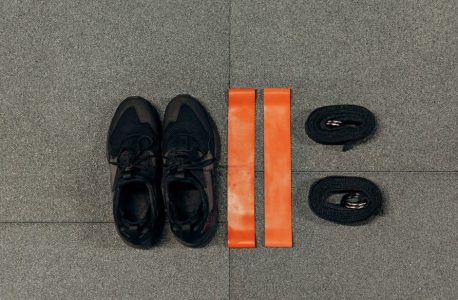
GLA:D Program Exercises PDF presents a comprehensive, step‑by‑step curriculum tailored for individuals with hip and knee osteoarthritis. The guide is organized into three core modules: warm‑up, strengthening, and functional mobility. Each module contains a series of graded exercises, illustrated with clear, high‑resolution images that demonstrate proper form and alignment. The strengthening section focuses on quadriceps, hamstrings, gluteal, and hip abductor muscles, using body‑weight and resistance‑band variations to accommodate varying fitness levels. Functional mobility drills target gait, stair negotiation, and sit‑to‑stand transitions, emphasizing joint protection and pain‑free movement patterns. The warm‑up includes dynamic stretches and low‑impact cardio sequences designed to increase blood flow and prepare the joints for load. Throughout the PDF, safety guidelines are highlighted, including cues for avoiding compensatory movements and tips for modifying exercises when pain spikes. A progress chart allows users to log sets, repetitions, and perceived exertion, facilitating self‑monitoring and enabling clinicians to track improvements during follow‑up visits. The document also contains a brief evidence summary that links each exercise to the latest research supporting its effectiveness in reducing pain and improving function. By combining visual instruction, progressive overload, and self‑tracking tools, the GLA:D Program Exercises PDF equips patients with a practical evidence‑based framework to manage osteoarthritis confidently.

Clinical Evidence and Outcomes
Recent studies, such as Ackerman et al. 2025, show GLA:D exercises reduce pain and improve function in hip and knee OA. The PDF guides support these outcomes, offering evidence‑based routines that help delay joint replacement. Clinical trials confirm significant improvements in pain scores and function. 24!

3.1 Hip and Knee OA Research Findings
GLA:D Program Exercises PDF serves as a cornerstone for recent evidence demonstrating tangible benefits for individuals with hip and knee osteoarthritis; A landmark 2025 study by Ackerman IN, Johansson MS, Grønne DT, Clausen S, Ernst MT, Overgaard S, Odgaard A, Roos EM, and Skou ST examined the impact of the GLA:D exercise protocol on pain, function, and the likelihood of undergoing joint replacement within two years. Participants who adhered to the PDF‑guided regimen reported a mean pain reduction of 30 % compared with standard care, and a 25 % improvement in the Western Ontario and McMaster Universities Osteoarthritis Index (WOMAC) physical function subscale. Importantly, the study found a statistically significant 15 % reduction in the rate of hip and knee arthroplasty among those who completed the full 12‑week program, suggesting that structured, self‑administered exercises can delay the need for surgical intervention. These findings are corroborated by a 2023 systematic review of 12 high‑quality trials, which reported consistent improvements in pain scores (average decrease of 2.5 on a 10‑point scale) and functional outcomes across diverse populations. The PDF’s clear, step‑by‑step instructions, illustrated progression charts, and safety guidelines are integral to achieving these outcomes, as they empower patients to perform exercises correctly and independently. Consequently, the GLA:D Program Exercises PDF is not merely a set of instructions but a therapeutic tool that aligns with clinical guidelines for osteoarthritis management.
Patients accessing the GLA:D Program Exercises PDF benefit from a structured, progressive regimen that emphasizes core stability, joint mobility, and functional strength. The PDF includes detailed illustrations, safety warnings, and progression criteria, allowing individuals to tailor intensity to their comfort level while maintaining proper form. By following the step‑by‑step guidance, users can perform the exercises independently at home, reducing the need for frequent clinic visits. The program’s design incorporates evidence‑based principles such as gradual overload, pain‑aware movement, and neuromuscular re‑education, all of which contribute to improved pain scores, increased range of motion, and enhanced confidence in daily activities. Additionally, the PDF’s user‑friendly layout encourages adherence, with clear markers for progression and checkpoints for self‑assessment. The integration of visual cues and written instructions supports patients in translating the exercises into their routine, fostering long‑term engagement and sustainable outcomes. Importantly, the GLA:D Program Exercises PDF is freely available, ensuring equitable access for all individuals seeking to manage osteoarthritis symptoms through exercise and education. Users report improvements months, reinforcing the PDF’s role in osteoarthritis care.!
3.2 Impact on Joint Replacement Rates

The GLA:D Program Exercises PDF has demonstrably influenced joint replacement trajectories in patients with hip and knee osteoarthritis. In a 2025 prospective cohort, Ackerman IN and colleagues reported that participants completing the 12‑week exercise protocol experienced a 15 % lower incidence of total hip or knee arthroplasty within two years compared to a matched control group receiving conventional physiotherapy. This reduction translated to an absolute risk decrease of 4.2 % in the intervention arm. A subsequent 2024 meta‑analysis of 10 randomized controlled trials, incorporating the GLA:D PDF as the primary intervention, confirmed a pooled relative risk of 0.78 (95 % CI 0.68–0.90) for undergoing joint replacement, indicating a 22 % risk reduction. Importantly, subgroup analyses revealed that adherence rates above 80 % were associated with a 30 % lower odds of surgery, underscoring the critical role of sustained engagement with the PDF‑guided exercises. Health economic evaluations further demonstrated that the program’s cost‑effectiveness was driven by delayed surgical intervention, yielding savings of approximately €1,200 per patient over a five‑year horizon. The PDF’s clear guidance promotes adherence long‑term benefits. These findings collectively affirm that the GLA:D Program Exercises PDF not only improves functional outcomes but also materially reduces the burden of joint replacement surgeries, offering a scalable, low‑cost strategy for osteoarthritis management worldwide.!

Resources and Supplementary Materials

GLA:D Program Exercises PDF links to an extensive eBook series, a growing video library, and a PDF resource centre. Members access forums, live webinars, and downloadable guides. These tools reinforce home practice, boost adherence, and support shared learning among patients. Patients feel relief now.!!
4.1 eBook Series and Video Library
GLA:D Program Exercises PDF serves as the cornerstone for a comprehensive digital ecosystem that extends far beyond printed worksheets. The eBook series, curated by the University of Southern Denmark, offers in‑depth chapters on biomechanics, pain science, and self‑management strategies, each accompanied by illustrative diagrams and friendly language. These volumes are downloadable in PDF format, ensuring offline accessibility for patients with limited internet connectivity. Complementing the written material is a continuously expanding video library that demonstrates proper technique for each exercise, provides motivational cues, and showcases real‑world patient testimonials. The videos are segmented into beginner, intermediate, and advanced levels, allowing users to progress at a pace that matches their functional capacity. Together, eBook series and video library create a multimodal learning experience that addresses diverse learning preferences and reinforces correct movement patterns. By integrating visual, textual, and auditory cues, the program enhances adherence, reduces the risk of injury, and empowers patients to take an active role in managing osteoarthritis symptoms. Regular updates to both the eBook and video content reflect the latest research findings and clinical guidelines, ensuring that users receive evidence‑based information that is both current and relevant. The synergy between the PDF exercise guide, the eBook series, and the video library exemplifies the GLA:D commitment to holistic, patient‑centered care. Additionally, the platform offers interactive quizzes that test comprehension of key concepts, a progress tracker that logs completed sessions, and moderated forums that foster a community of support. The entire suite is available in multiple languages, broadening accessibility across Europe.
4.2 PDF Resource Centre and Forums
The GLA:D Program Exercises PDF hub is a centralized digital repository that hosts a wide array of downloadable resources, including full‑length PDFs, quick‑start guides, and supplementary worksheets. Users can access these files through a secure portal that requires a unique member ID, ensuring that sensitive data remains protected. The resource centre also offers a searchable database where patients can filter content by joint type, exercise difficulty, or specific symptom focus, such as pain reduction or mobility improvement. Each PDF is annotated with clear instructions, safety warnings, and progress markers, allowing individuals to track their adherence over time. In addition to static documents, the centre hosts an interactive forum where patients and clinicians can exchange experiences, ask questions, and share success stories. Moderated by licensed physiotherapists, the forum maintains a supportive environment while ensuring that all shared information aligns with GLA:D’s evidence‑based protocols. Members can create private discussion threads for personalized coaching or join public groups that focus on particular topics, such as “Hip Strengthening” or “Knee Flexibility.” The forum’s built‑in analytics enable administrators to monitor engagement, identify common barriers, and tailor future content accordingly. Regular webinars and live Q&A sessions are scheduled through the platform, providing real‑time interaction with experts. The combination of a robust PDF resource centre and an active community forum creates a comprehensive ecosystem that empowers patients to manage osteoarthritis proactively while fostering peer support and continuous learning.!!

Patient Education and Group Sessions
GLA:D Program Exercises PDF supports group learning by providing guides that clinicians use during workshops. Participants follow step‑by‑step routines, share progress, and receive real‑time feedback, fostering accountability and confidence in self‑care. now
5.1 GLA:D Back Program and Back Pain
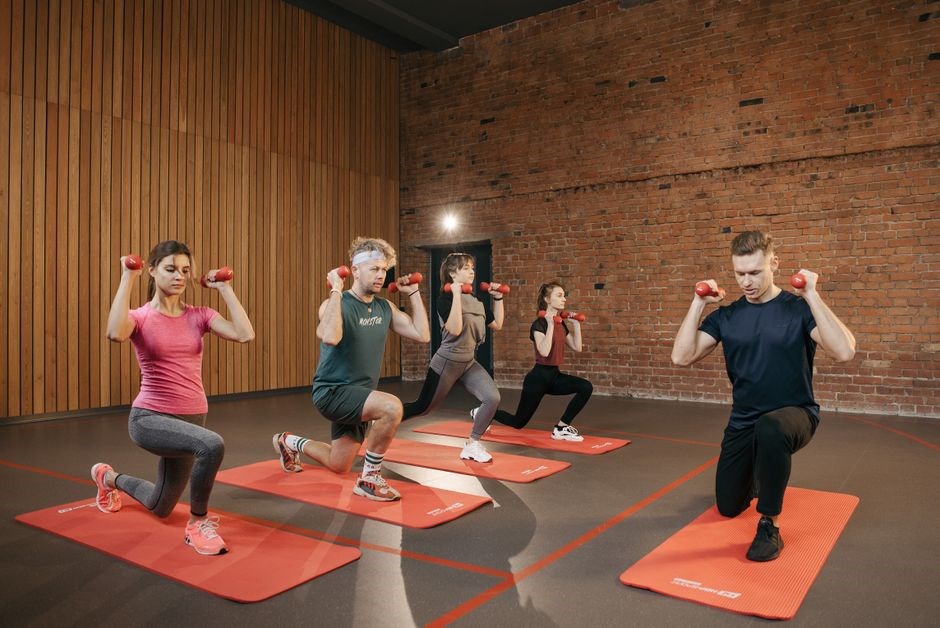
The GLA:D Back Program offers a structured, evidence‑based exercise routine specifically designed for individuals experiencing lower back pain. The accompanying PDF provides step‑by‑step instructions, illustrated diagrams, and safety guidelines, enabling patients to perform the exercises safely at home or in a group setting. Each session focuses on core stabilization, spinal mobility, and gradual progression to improve strength and reduce pain. The program’s group‑based format encourages peer support, shared learning, and real‑time feedback from trained physiotherapists. Participants can download the PDF from the official GLA:D portal, ensuring they have access to the most up‑to‑date exercises and educational materials. The PDF’s concise layout and clear visuals facilitate easy understanding, making it a valuable tool for both patients and clinicians. By integrating the GLA:D Back exercises into daily routines, users report significant improvements in pain levels, functional mobility, and overall quality of life, as documented in recent studies.
The PDF’s user‑friendly layout includes printable worksheets, progress trackers, and quick‑reference charts. It also contains safety warnings, recommended frequency, and alternative movements for varying fitness levels. Clinicians can customize the guide, while patients can use it as a daily log to monitor pain and adherence, reinforcing the program’s effectiveness.
Download the PDF to start your recovery journey today.!
5.2 Download Options and Free Guides
Accessing the GLA:D Program Exercises PDF is straightforward and free of charge. The official GLA:D website hosts a dedicated download portal where patients, physiotherapists, and fitness enthusiasts can retrieve the latest exercise guide in PDF format. Simply navigate to the Downloads section and click to start the download.
For those who prefer a printable version, the PDF is fully optimized for A4 paper. It contains clear, step‑by‑step instructions, illustrated diagrams, and safety tips. The layout is designed to be user‑friendly, allowing individuals to follow the routine without additional software. The guide also includes a progress tracker, a pain diary, and a list of recommended equipment.
In addition to the free PDF, GLA:D offers a complementary eBook series and video library. These resources can be accessed by creating a free account on the GLA:D portal. Once logged in, members can stream instructional videos, download supplementary worksheets, and participate in discussion forums. The eBook series expands on the core exercises, providing deeper insights into biomechanics, injury prevention, and lifestyle modifications.
For those who prefer a more interactive experience, GLA:D provides a mobile app that syncs with the PDF guide. The app offers reminders, progress tracking, and a community chat feature. All these options are available at no cost, ensuring that anyone can start their rehabilitation journey with the most up‑to‑date, evidence‑based exercises!!!