
Executive Summary
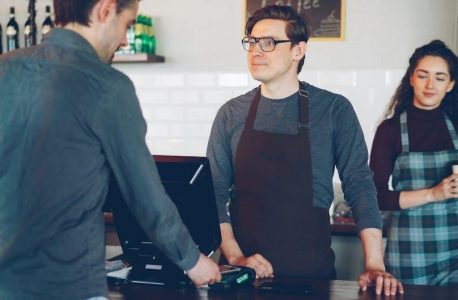
This business plan details a coffee shop poised for success, leveraging readily available templates and financial projection tools. It aims to secure funding and permits,
focusing on a welcoming dining room, efficient coffee bar, and strategic location for optimal customer flow and profitability.
Business Description
Our coffee shop will be a haven for coffee enthusiasts and a community gathering place, offering high-quality coffee, tea, and complementary food items. We aim to differentiate ourselves through a carefully curated atmosphere, exceptional customer service, and a commitment to sourcing ethically produced beans.
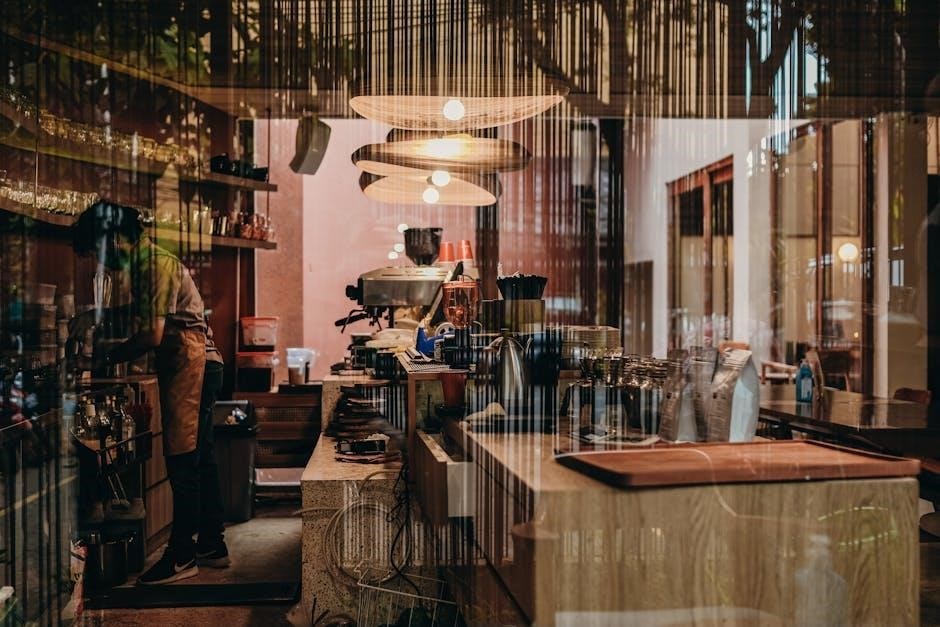
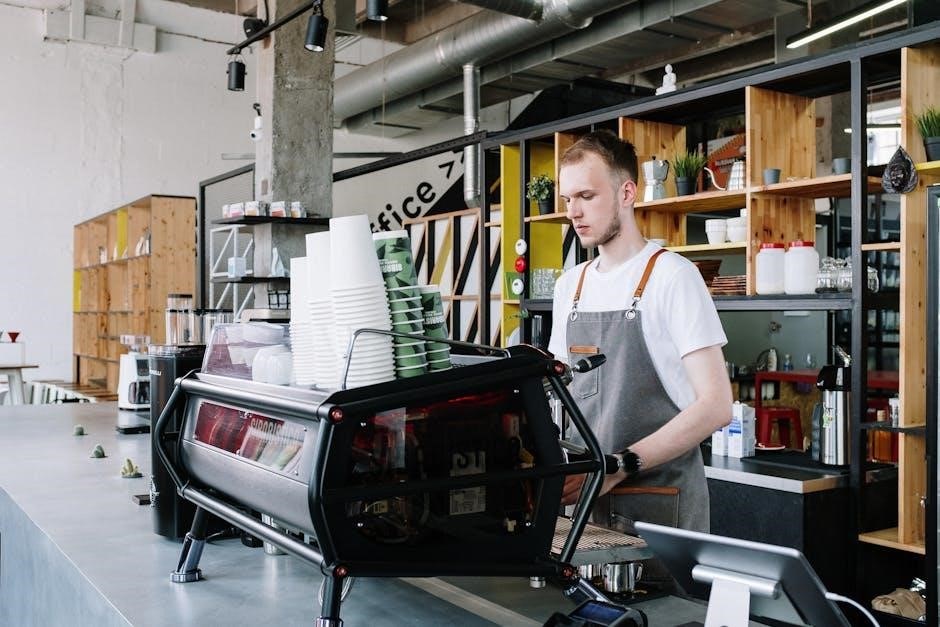
Utilizing resources like the Growthinks Ultimate Coffee Shop Business Plan Template, we’ve developed a comprehensive model. This includes detailed financial projections based on anticipated sales volumes and pricing strategies. The Crimson Cup’s Seven Steps to Success kit further informed our operational planning. We envision a space featuring a comfortable dining room, a well-equipped coffee bar, and essential amenities like restrooms and storage, as highlighted in confidential business plan examples.
Mission Statement
To cultivate a vibrant community hub by serving exceptional coffee and fostering genuine connections. We are dedicated to providing a welcoming atmosphere where customers can relax, work, or socialize. Our commitment extends to ethically sourcing high-quality beans and delivering consistently excellent service.
Inspired by resources like the Growthinks template and Crimson Cup’s guidance, we aim for sustainable practices and responsible business operations. We will strive to exceed customer expectations, becoming a beloved local destination. This mission aligns with the core principles outlined in successful coffee shop business plans, ensuring a focus on quality, community, and profitability, as detailed in available proposal samples.
Products and Services
We will offer a diverse menu centered around expertly crafted coffee beverages, ranging from classic espresso drinks to specialty seasonal creations. Complementing our coffee selection will be a curated food menu featuring pastries, sandwiches, and light snacks, appealing to a broad customer base.
Beyond core offerings, we plan to provide other beverages like teas, smoothies, and potentially locally sourced juices. Merchandise, including branded mugs and coffee beans, will also be available for purchase. Utilizing insights from business plan templates, we aim to create a comprehensive product line that maximizes revenue streams and caters to varied preferences, ensuring a compelling customer experience.
Target Market
Our primary target market encompasses students, young professionals, and local residents seeking a comfortable and convenient gathering place. We will focus on individuals aged 18-45, valuing quality coffee, a relaxed atmosphere, and free Wi-Fi access. Secondary markets include tourists and commuters passing through the area.
Market research, informed by available coffee shop business plan templates, indicates a demand for premium coffee experiences and community-focused spaces. We will tailor our marketing efforts to reach these demographics through social media, local partnerships, and loyalty programs, fostering a strong customer base and establishing brand recognition within the community.
Company Description
This coffee shop will operate as a limited liability company (LLC), offering a curated coffee experience. It prioritizes a welcoming atmosphere and efficient service.
Legal Structure
The business will be established as a Limited Liability Company (LLC), providing a balance between operational simplicity and legal protection for its owners. This structure shields personal assets from business liabilities, a crucial consideration for a new venture. An LLC offers pass-through taxation, meaning profits and losses are reported on the owner’s personal income tax returns, avoiding corporate tax rates.
Formation will involve filing Articles of Organization with the relevant state authorities, alongside obtaining a Federal Employer Identification Number (EIN) from the IRS. Legal counsel will be engaged to ensure full compliance with all applicable regulations, including those pertaining to food service, health permits, and employment law. This proactive approach minimizes potential legal risks and establishes a solid foundation for sustainable growth and long-term success.
Ownership and Management
The coffee shop will be owned and operated by [Owner’s Name(s)], bringing a combined [Number] years of experience in customer service, retail management, and the food & beverage industry. [Owner’s Name(s)] will initially serve as the Managing Member(s), responsible for day-to-day operations, strategic planning, and financial oversight.
A clear organizational structure will be implemented, delegating responsibilities to key personnel including a Store Manager, Baristas, and potentially a Kitchen Manager as the business expands. Future growth may involve offering equity to key employees to incentivize performance and foster a sense of ownership. Regular performance reviews and ongoing training will be prioritized to maintain high standards of service and operational efficiency.
Location and Facilities
The chosen location is a high-traffic area in [City/Town], specifically at [Address], benefiting from strong foot traffic and visibility. The facility encompasses approximately [Square Footage] and includes a welcoming dining room, a fully-equipped coffee bar, two restrooms compliant with ADA standards, and a dedicated storage room.
The layout is designed for efficient workflow and customer comfort, with ample seating and a cozy atmosphere. Necessary renovations will focus on aesthetic improvements and ensuring compliance with all health and safety regulations. Future expansion possibilities, such as outdoor seating, will be explored based on local zoning ordinances and customer demand.
Market Analysis
A thorough industry overview reveals consistent coffee consumption, while target market analysis identifies local preferences. Competitive analysis informs strategic positioning for success and growth.
Industry Overview
The coffee shop industry demonstrates remarkable resilience and consistent growth, fueled by evolving consumer preferences and a deeply ingrained social culture. Coffee remains a daily ritual for millions, driving consistent demand. The market is characterized by both large chains and independent operators, creating a competitive yet diverse landscape.

Recent trends indicate a growing demand for specialty coffee, ethically sourced beans, and customizable beverage options. Consumers increasingly seek experiences beyond just a caffeine fix, valuing ambiance, community spaces, and convenient mobile ordering. This presents opportunities for differentiation and building customer loyalty. The industry faces challenges including fluctuating coffee bean prices and increasing operational costs, necessitating efficient management and strategic pricing.
Target Market Analysis
Our primary target market encompasses young professionals, students, and local residents seeking a comfortable and convenient gathering place. This demographic values quality coffee, free Wi-Fi, and a relaxed atmosphere conducive to work or socializing. Secondary markets include tourists and commuters desiring a quick caffeine boost.

Geographic targeting focuses on areas with high foot traffic and limited existing coffee shop options. Psychographic profiling reveals a preference for ethically sourced products and community-focused businesses. Understanding these needs allows for tailored marketing efforts and menu development. Market research indicates a willingness to pay a premium for superior quality and a positive customer experience, driving potential revenue.
Competitive Analysis
The local coffee shop market includes established chains and independent cafes. Chain competitors offer brand recognition and consistency, while independents often emphasize unique offerings and community ties. Our competitive advantage lies in a combination of both – high-quality, ethically sourced coffee alongside a uniquely designed, welcoming space.
Analysis reveals opportunities to differentiate through specialized menu items, superior customer service, and targeted marketing. We will monitor competitor pricing and promotions to maintain a competitive edge. Identifying gaps in the market, such as limited late-night options or lack of comfortable workspaces, will inform our strategic positioning and drive customer loyalty.
SWOT Analysis
Our Strengths include a prime location, commitment to quality, and a well-defined brand identity. Weaknesses may involve initial brand awareness and reliance on consistent supply chains. Opportunities exist in expanding the menu with seasonal offerings, hosting community events, and leveraging online ordering platforms.
Threats encompass competition from established coffee shops, fluctuating coffee bean prices, and potential economic downturns. Mitigating these threats requires proactive marketing, strong supplier relationships, and careful financial management. This analysis informs strategic decision-making, ensuring we capitalize on strengths and opportunities while minimizing weaknesses and threats.
Products and Services
We will offer a diverse menu, including specialty coffee drinks, teas, pastries, and light meals, alongside branded merchandise to enhance the customer experience.
Coffee Menu
Our coffee menu will be the cornerstone of our offerings, featuring a wide array of choices to cater to diverse preferences. We will source high-quality Arabica beans, offering classic espresso drinks like lattes, cappuccinos, and macchiatos, prepared by skilled baristas. Beyond the standards, we’ll introduce signature seasonal beverages – pumpkin spice lattes in autumn, peppermint mochas during the holidays – to drive repeat business and create excitement.
We will also provide various brewing methods, including pour-over and French press, for coffee connoisseurs. Decaffeinated options and a selection of alternative milk (soy, almond, oat) will ensure inclusivity. Cold brew, iced coffee, and blended coffee drinks will be available year-round, appealing to a broader customer base. Consistent quality and innovative flavor combinations will define our coffee experience.
Food Menu
Complementing our coffee selection, the food menu will focus on fresh, high-quality items perfect for a quick breakfast or lunch. We will offer a variety of pastries – croissants, muffins, scones – sourced from a local bakery to ensure freshness and support the community. Savory options will include pre-made sandwiches, salads, and wraps, utilizing seasonal ingredients.
We plan to offer gluten-free and vegan options to cater to dietary restrictions. Yogurt parfaits with granola and fruit will provide a healthy choice, while cookies and brownies will satisfy sweet cravings. The food menu will be designed for convenience and portability, encouraging customers to enjoy their purchases both in-store and on-the-go. Careful attention will be paid to presentation and quality control.
Other Beverages
Beyond coffee, our beverage selection will cater to a diverse range of preferences. We will offer a curated selection of teas, including black, green, herbal, and specialty blends, sourced from reputable suppliers. Refreshing iced teas and lemonades will be available, particularly appealing during warmer months.
To broaden our appeal, we’ll include a small selection of bottled juices and sparkling water. Seasonal specialty drinks, like pumpkin spice lattes in the fall or peppermint mochas during the holidays, will create excitement and drive repeat business. We will also explore offering smoothies made with fresh fruit, providing a healthy and customizable option for our customers.
Merchandise
To supplement beverage and food sales, we will offer a carefully selected range of merchandise. This will include branded coffee mugs, travel tumblers, and reusable shopping bags, promoting our brand and encouraging customer loyalty. Locally roasted coffee beans, in whole bean or ground options, will cater to at-home coffee enthusiasts.
We plan to partner with local artisans to showcase unique items like handcrafted coasters or small-batch syrups. Packaged pastries and cookies, extending our food offerings for take-home enjoyment, will also be available. These merchandise items will be strategically displayed near the point of sale, encouraging impulse purchases and enhancing the overall customer experience.
Marketing and Sales Strategy
Our strategy centers on a comprehensive marketing plan, utilizing both traditional and digital channels, to drive sales and build brand awareness within the local community.
Marketing Plan
The marketing plan will employ a multi-faceted approach to establish a strong brand presence and attract a loyal customer base. Initial efforts will focus on local community engagement, including partnerships with nearby businesses and participation in local events. A robust social media strategy, featuring visually appealing content and targeted advertising, will be implemented to reach a wider audience.
Loyalty programs and promotional offers will incentivize repeat business, while a grand opening event will generate initial buzz. Furthermore, we will explore local print advertising and online directories to increase visibility. Consistent branding across all platforms will reinforce our identity and create a memorable customer experience. Data analytics will be used to track campaign performance and optimize marketing spend for maximum return on investment.
Sales Strategy
Our sales strategy centers on providing exceptional customer service and a high-quality product to drive repeat business and positive word-of-mouth referrals. We will prioritize staff training to ensure knowledgeable and friendly interactions with every customer. Upselling and cross-selling techniques will be employed to increase the average transaction value, suggesting pastries with coffee or merchandise alongside beverages.
A streamlined ordering process, potentially incorporating mobile ordering options, will enhance convenience. We will actively solicit customer feedback to continuously improve our offerings and service. Building relationships with local businesses for catering opportunities will expand our reach. Analyzing sales data will identify peak hours and popular items, informing staffing and inventory decisions.
Pricing Strategy
Our pricing strategy will balance profitability with competitive market rates, ensuring accessibility for our target demographic. We’ll analyze competitor pricing for similar products, positioning ourselves slightly above average to reflect our commitment to quality ingredients and superior service. A tiered pricing structure will offer various sizes and customization options, catering to diverse customer preferences and budgets.
Promotional pricing, such as loyalty programs and daily specials, will incentivize repeat purchases and attract new customers. Cost-plus pricing will be utilized for food items, factoring in ingredient costs and labor. Regular price adjustments will be made based on market fluctuations and customer feedback, maximizing revenue and maintaining a competitive edge.

Management Team
A dedicated team with diverse expertise will oversee operations, ensuring efficient management and strategic growth. An advisory board will provide valuable guidance and support.
Organizational Structure
The coffee shop will employ a hierarchical organizational structure, designed for clear lines of authority and efficient workflow. At the apex is the Owner/General Manager, responsible for overall strategic direction and financial performance. Reporting to the General Manager will be a Store Manager, overseeing daily operations, staff scheduling, and customer service.
Beneath the Store Manager are key roles: Head Barista (responsible for coffee quality and barista training), Shift Supervisors (managing operations during specific shifts), and Baristas (preparing and serving beverages). A part-time Bookkeeper will handle financial record-keeping. This structure promotes accountability and allows for focused expertise in each area, contributing to a smoothly run and profitable business. Regular team meetings will foster communication and collaboration.
Key Personnel
Our success hinges on a dedicated and skilled team. The Owner/General Manager, [Name], possesses five years of experience in café management and a strong understanding of the coffee industry. The Store Manager, [Name], brings three years of supervisory experience and a proven track record in customer service excellence.
Our Head Barista, [Name], is a certified barista with extensive knowledge of coffee brewing techniques and latte art. We will also employ experienced Baristas committed to quality and efficiency. A reliable Bookkeeper, [Name], will ensure accurate financial reporting. This team’s combined expertise and passion for coffee will be instrumental in establishing a thriving and reputable coffee shop.
Advisory Board
To bolster our strategic decision-making, we’ve assembled a knowledgeable advisory board. Mr. Robert Miller, a seasoned entrepreneur with 20+ years of experience launching successful retail businesses, provides invaluable guidance on operational efficiency and expansion strategies.
Ms. Sarah Chen, a marketing expert specializing in the food and beverage industry, offers insights into branding, customer acquisition, and market trends. Finally, Mr. David Lee, a financial consultant, assists with financial planning, investment strategies, and risk management. Their collective expertise will be crucial for navigating challenges and maximizing opportunities as we grow our coffee shop venture.

Financial Plan
Detailed financial projections, including start-up costs, revenue forecasts, and profit/loss statements, are presented to demonstrate the coffee shop’s viability and attract investment.
Start-up Costs
Initial investment encompasses several key areas. Leasehold improvements, including renovations to create a welcoming dining room and functional coffee bar, are estimated at $30,000. Equipment purchases – espresso machines, grinders, brewing systems, refrigerators, and point-of-sale systems – total approximately $25,000. Initial inventory, covering coffee beans, milk, syrups, and food supplies, will require $5,000.
Further expenses include permits and licenses ($2,000), marketing and advertising for the launch ($3,000), and initial working capital to cover operating expenses for the first three months ($10,000). Furniture, fixtures, and décor contribute another $5,000. Contingency funds of $5,000 are allocated for unforeseen costs, bringing the total estimated start-up costs to $85,000. These figures are based on preliminary research and will be refined with detailed quotes.
Funding Request
We are seeking $85,000 in funding to launch this promising coffee shop venture. This capital will be strategically allocated to cover essential start-up costs, as detailed in the preceding section. Specifically, funds will address leasehold improvements, equipment procurement, initial inventory, necessary permits and licenses, and a robust marketing campaign to establish brand awareness.
A portion will also be reserved as working capital to ensure smooth operations during the initial months. We propose a [Specify terms ― e.g;, loan with X% interest, equity stake of Y%]. We believe this investment will yield significant returns, capitalizing on the growing coffee market and our carefully crafted business plan. Detailed financial projections support this request.
Financial Projections
Our financial projections demonstrate strong potential for profitability and return on investment. Utilizing tools like the Growthinks Ultimate Coffee Shop Business Plan Template, we’ve developed detailed forecasts based on realistic sales volumes and pricing strategies. These projections incorporate anticipated revenue from coffee, food, and merchandise sales, alongside carefully estimated operating expenses.
We anticipate achieving profitability within the first year of operation, with significant revenue growth projected over the subsequent three to five years. Key performance indicators, including gross margin and net profit margin, are consistently positive. These projections are sensitive to changes in key variables, and sensitivity analysis has been performed.
Revenue Projections
Our revenue projections are built upon a conservative estimate of customer traffic and average transaction value. We anticipate generating revenue through multiple streams: coffee sales, a complementary food menu, and branded merchandise. Utilizing business plan templates, we’ve modeled various scenarios, factoring in seasonal fluctuations and potential market changes.
We project first-year revenues of $250,000, increasing to $375,000 by year three. This growth is driven by increased brand awareness, customer loyalty programs, and potential expansion of our product offerings. Detailed revenue breakdowns by product category are available in the appendix, demonstrating a diversified and sustainable revenue model.
Profit and Loss Statement
The projected Profit and Loss (P&L) statement demonstrates the coffee shop’s potential for profitability within the first three years of operation. Initial startup costs are significant, but we anticipate achieving profitability by year two, driven by increasing revenue and efficient cost management.
Gross profit margins are projected at 65%, factoring in the cost of goods sold. Operating expenses, including rent, utilities, and labor, are carefully budgeted. The P&L statement, detailed in the financial plan section, showcases a net profit margin of 15% by year three, indicating a healthy and sustainable business model, supported by template-driven financial forecasting.
Cash Flow Statement
The Cash Flow Statement meticulously tracks all inflows and outflows of cash, ensuring sufficient liquidity for operational needs and future investments. It projects positive cash flow within the first year, driven by strong sales and effective inventory management.
Initial funding will be allocated strategically to cover startup costs and working capital. The statement highlights the ability to meet short-term obligations and reinvest in the business, utilizing financial projections from available business plan templates. A detailed monthly breakdown demonstrates consistent positive cash flow, vital for long-term sustainability and growth, supporting investor confidence.
Balance Sheet
The Balance Sheet presents a snapshot of the company’s assets, liabilities, and equity at a specific point in time, demonstrating financial stability. It showcases a healthy asset base, including cash, equipment, and inventory, balanced against liabilities like loans and accounts payable.
Equity represents the owner’s stake in the business, reflecting initial investment and retained earnings. Utilizing projections from coffee shop business plan templates, the balance sheet forecasts a strengthening financial position over three years. This detailed overview assures potential investors of sound financial management and a solid foundation for sustainable growth and profitability.
Appendix
Supporting documents, including permits, licenses, and a detailed floor plan, are included for comprehensive review, ensuring full transparency and regulatory compliance.
Permits and Licenses
Obtaining the necessary permits and licenses is crucial for legal operation. This section details requirements for a coffee shop, varying by location. Essential permits include a general business license, food service permit, and potentially a liquor license if serving alcohol.
Health permits are mandatory, ensuring compliance with sanitation standards. Zoning permits verify adherence to local land-use regulations.
Building permits may be needed for renovations. A resale permit allows tax-exempt purchases for resale items.
Federal Employer Identification Number (EIN) is required if hiring employees.
Detailed checklists and application procedures for each permit will be meticulously followed, ensuring timely acquisition and avoiding operational delays. Compliance is paramount for a smooth launch and sustained success.
Floor Plan
The proposed floor plan maximizes space and customer flow within a 1,200 square foot area. It features a welcoming dining room designed for comfortable seating, accommodating approximately 40 patrons. A strategically positioned coffee bar serves as the focal point, ensuring efficient order taking and beverage preparation.
Two restrooms are included for customer convenience, adhering to accessibility standards. A dedicated storage room in the back provides ample space for inventory and supplies. The layout prioritizes accessibility, with clear pathways and sufficient space between tables.
The design aims to create a warm, inviting atmosphere conducive to both quick visits and extended stays, enhancing the overall customer experience.